


One of the main motivators for people to come to your skin care business is acne. The numbers tell the story: Up to 50 million Americans are affected by acne annually, making it the most common skin condition in the U.S. Approximately 85% of individuals aged 12–24 experience at least mild acne, while up to 15% of post‑menopausal women continue to suffer from it.
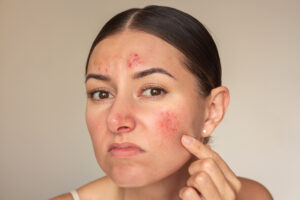
Acne usually begins in puberty and affects many adolescents and young adults; however, it can occur at any stage of life and may continue into one’s 30s and 40s. Adult acne continues to increase and affects up to 15% of women.
A multi‑continent study finds that around 20% of adults aged 25–39 and 9.3% of those aged 40–64 report current acne, highlighting the growing prevalence of adult acne.
Acne is also big business. The Global Anti-Acne Cosmetics Market is projected to reach a valuation of $8.7 billion in 2024, with momentum pushing it to $12.5 billion by 2030.
To really get at the root of the problem, however, the professional must consult with the client to get a full picture of the client’s diet and lifestyle. It is in this way the esthetician can develop a holistic program to address problem skin both inside and out.
“When I first started my practice in NYC in 1977, the first thing I would do was sit down and speak to the client about their diet, their stress levels and their lifestyle,” says Lydia Sarfati, CEO and founder of Repêchage®. “Nobody was doing that in 1977, but that’s how I was able to help my clients look their very best, by not just looking at that one pimple or blackhead, but looking at the overall holistic approach to perfect skin.”
Sarfati provides professionals with all the key information needed to create the best protocol for problem, acne skin in her Master Class, Preventing Summer Acne. “If you are not focusing yet on providing acne facials and deep cleansing facials, this is the time to dive into this wonderful opportunity to provide the best results for your client,” says Sarfati
Here you will find highlights of this important class, incorporating different products from the Classic European Facial, the Biolight® Glyco-Sea® Glycolic Peel and other back bar products to help you effectively address oily, problem skin.
The Science Behind Acne
Acne is defined as a condition resulting from the increased production of the hormone Androgen, which is especially active in stimulating the amount of oil produced by the sebaceous glands in the skin. As the ducts of these glands become plugged with the waxy oil, comedones (black heads) and whiteheads (milia) form. They are frequently infected with bacteria, causing welts, deeper lumps and pimples (cysts or nodules).
Sebaceous glands are the glands situated at the root of the hair follicle in the dermis. They can be found all over the body except for the palms and soles. These glands secrete sebum or oil. When the oil is mixed with perspiration, the skin’s surface becomes slightly acidic. This keeps some bacteria and fungi from embedding in the skin and at the same time helping to retain water in the tissue by slowing down evaporation from the skin. When the sebaceous glands are stimulated, a process known as retention hyperkeratosis occurs. This may be triggered by the onset of puberty, hormonal fluctuation, genetics, the condition of the skin’s microbiome, the influence of topical and pharmaceutical agents, and stress, as well as heat and humidity, which is why acne can become worse in the summer months.
The Importance of pH and the Skin Microbiome
The skin microbiome is a community of bacteria, fungi, and viruses that protect, balance, and support skin health. A healthy microbiome is equated with balanced oil, immunity, and inflammation. Disruption in this balance in the “community” can lead to acne-prone skin. This disruption can be caused by an overgrowth of inflammatory strains of Cutibacterium acnes (C. acnes) and loss of beneficial bacteria like Staphylococcus epidermidis. In general, a loss of microbial diversity means an increase in inflammation, resulting in acne lesions.
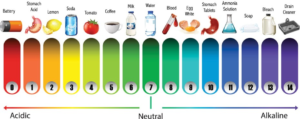
One of the most important factors in maintaining a healthy microbiome is by maintaining a proper pH of the skin. Healthy skin has a naturally slightly acidic pH (around 4.5–5.5), which helps maintain the integrity of the skin barrier and supports a balanced microbiome. A little bit of acid produced in the sebum of your sebaceous glands mixes with the natural fatty acids to create a perfect barrier.
Very often, clients use products that are highly alkaline to aggressively remove the oils from the skin, and don’t neutralize the skin afterwards, leaving skin compromised An alkaline pH not only increases bacterial activity but also reduces the skin’s ability to fight inflammation and regulate oil production.
The Gut–Brain–Skin Axis
Emerging research shows that the gut microbiome influences both systemic inflammation and skin conditions, including acne. Psychological stress can alter gut bacteria, increasing intestinal permeability and promoting inflammatory signals that appear in the skin.
This gut–brain–skin connection is now a central focus in holistic acne care, supporting the use of probiotics and anti-inflammatory diets in treatment.
How do you know that you have issues and challenges with your diet? Sarfati’s advises clients to write down everything that they eat for two weeks and indicate how they feel afterwards. Do they feel bloated, tired, more stress?
“What I will tell you is that food is energy. Food is cure, but eating the wrong things can actually contribute to being unwell. And that is our focus; internal wellness leading to external health.”
Psychological Stress & Acne
Acne isn’t just a surface issue—it’s systemic and psycho-dermatologic. Assessing the stress levels of the client is instrumental to creating perfect skin for your client. Chronic psychological stress activates the hypothalamic–pituitary–adrenal (HPA) axis, increasing levels of cortisol, a stress hormone. Elevated cortisol stimulates sebaceous glands, leading to excess sebum production, a key factor in acne development. Stress also promotes the release of pro-inflammatory cytokines and neuropeptides, which enhance inflammation and support C. acnes colonization in the pilosebaceous glands.

Stress also alters the gut microbiome by decreasing microbial diversity and increasing intestinal permeability (“leaky gut”), which allows lipopolysaccharides (LPS)—inflammatory bacterial byproducts—to enter systemic circulation and aggravate skin inflammation.
This gut–brain–skin loop results in more comedones and pustules, slower wound healing, and increased risk of post-inflammatory hyperpigmentation (PIH).
Understanding and incorporating stress reduction, lifestyle changes, client education, and holistic support is essential for lasting skin health.
Hormonal Influences
There are a multitude of hormonal influences through-out a lifetime and some caused by emotional changes, that can disrupt the skin’s biome, causing acne.
Androgens, or male hormones, can drive sebum overproduction. Androgens such as testosterone and dihydrotestosterone (DHT) stimulate sebaceous gland growth and sebum secretion. In acne-prone individuals, the skin shows heightened sensitivity to normal androgen levels, leading to clogged pores and inflammation. This is why some women get acne during and after menopause. The link between menopause and late-onset acne is caused by a decline in estrogen and relative increase in androgen activity post-menopause. This can lead to persistent or new-onset acne, particularly along the jawline. These cases may involve reduced barrier function and slower healing, complicating treatment.
Menstrual cycle fluctuations are another natural hormonal fluctuation. Estrogen drops and progesterone rises during the luteal phase, which can trigger acne flares 7–10 days before menstruation.
Hormonal surges during pregnancy, especially in the first trimester, can lead to increased sebum and new breakouts. Acne may worsen or improve during pregnancy, depending on the individual’s hormonal baseline and response.8,9,10,11
Improper Product Use:
Clients could be using the best skin care products in the world, but comedogenic cosmetics are occluding their pores, causing breakouts.
Over-cleansing without restoring the pH barrier can also cause an oil rebound, when the skin compensates for a dry surface by producing more sebum.
Other Triggers:
- Dietary Impact: High glycemic diets and dairy can impact acne.
- Occlusion: Tight clothing, hats, masks, or helmets trapping sweat and oil.
- Medications: Steroids, lithium, certain contraceptives, and B12 can result in breakouts.
- Environment: Humidity, pollution, sweat, or heat exposure can all cause inflammation leading to acne formation.
The Holistic Approach
Since diet, lifestyle, habits and stress can contribute so much to problem skin, a holistic approach is the only proper program to solve skin issues. It was this perspective that inspired Sarfati to create Repêchage professional skin care in 1980, bringing together the remarkable health and beauty benefits of seaweed and the finest natural ingredients the earth has to offer.
Important Ingredients
Laminaria digitata:
This is a powerhouse seaweed with 42 trace elements, 18 amino acids, 12 vitamins. Benefits of this seaweed include:
Hydration and moisture retention: It is rich in polysaccharides, particularly alginates and fucoidans, which have high water-binding capacities. These substances form a protective, hydrating layer on the skin, helping to retain moisture and prevent dehydration.
Nutrient Supply: This seaweed is packed with vitamins like vitamin A, C and E, minerals such as iodine, calcium, magnesium and potassium and amino acids that nourish the skin. These nutrients help maintain the skin’s health and support cellular function.
Antioxidant properties: Laminaria digitata contains antioxidants like fucoxanthin and polyphenols which protect the skin from oxidative stress and environmental damage. These antioxidants neutralize free radicals, thereby reducing the risk of premature aging and other skin damage.
Anti-inflammatory effect; The bioactive compounds in Laminaria digitata,such as phlorotannins, have anti-inflammatory properties. These compounds can help soothe irritated skin, reduce redness and calm conditions like eczema and psoriasis.
Barrier function improvement: the alginate and other polysaccharides in Laminaria digitata contribute to the strengthening of the skin’s barrier function. This improved barrier helps to protect the skin from external irritants and pathogens, while also maintaining its integrity and resilience.
Detoxificaton: Laminaria digitata has natural detoxifying properties, aiding in the removal of toxins from the skin. This can help to purify the skin and prevent the buildup of impurities that may lead to blemishes and other skin issues.
Laminaria Saccharina
This is a brown seaweed found in cold Atlantic waters that is rich in minerals (iodine, potassium), vitamins, and bioactive polysaccharides. It is known for its skin-balancing and purifying properties that help with oil control by regulating sebum secretion, reducing excess oil and shin on acne-prone skin. It is pore refining, containing natural phlorotannins and alginates that help tighten and refine enlarged pores.
Studies suggest Laminaria extracts can disrupt bacterial biofilms formed by C. acnes, limiting acne flare-ups.12
Polyphenols reduce oxidative stress and inflammation, calming redness around lesions. Brown algae like Laminaria have been shown to inhibit C. acnes activity and regulate inflammatory mediators.
Willow Bark Extract and Salicylic Acid:
The bark contains high levels of salicylates and tannins and is where salicylic acid is derived. It is recommended for balancing and toning. It provides natural Beta Hydroxy Acid which exfoliates and encourages the shedding of dead skin cells to reveal a brighter looking complexion. With a pH of 7, Beta Hydroxy Acid such as salicylic acid can be used daily without causing inflammation.
Kojic Acid
This is an ingredient derived from a variety of fungi, discovered by a Japanese doctor in 1907. It acts as a chelator of divalent ions that play vital roles in biological processes, as a free radical trapper, and as a tyrosinase inhibitor to prevent darkening of the skin.
Licorice Root Extract
The ingredient, also known as Glycyrrihiza Glabra, is known for lightening and antioxidant benefits.
MicroSilver
Pure, micronized silver with a unique porous structure that offers long-lasting antimicrobial protection without harming healthy skin flora. This ingredient has been found to help kill acne-causing bacteria (C. acnes, S. aureus) while supporting skin’s microbiome.
Ichthammol
This mineral sediment from the Jurassic period is a great mineral source of Thiophen Sulphonate, shown to be deep cleansing and antimycotic (inhibiting the growth of fungi).
Kaolin Clay
Kaolin is a gentle, natural clay that mops up sebum and surface impurities, making it ideal for oily and combination skin types. Its fine particle size helps tighten the look of enlarged pores and create a smoother skin texture after use. Unlike harsher clays, Kaolin is non-irritating, making it suitable even for inflammatory acne, rosacea-prone, or reactive skin.
Calamine
Always a go-to ingredient for calming and soothing, the Repêchage Calming Mask Powder is made by Calcium Carbonate with Calamine.
Allantoin
This is a Comfrey root derivative that calms, soothes and cools the skin. It reinforces the natural barrier of the skin, counteracting dryness and dehydration
Colloidal Sulfur
Promotes skin shedding, while deeply cleansing. It draws out impurities, control excess oil and is rarely irritating.
Aloe Barbadensis
Aloe is a well-known desert plant used for gel inside the succulent leaves known for soothing, and calming properties
Sensory Essential Oils
A calming and soothing blend of Lavender, Ylang Ylang, Basil and Chamomile essential oils.
Protocol
In this protocol, Sarfati combines the Biolight® Glyco-Sea® Glycolic Peel with products from the Classic European Facial and other back bar products to help you create a holistic approach for treating acne skin.
Consultation:
This is key to creating a holistic program for your client, particularly those who suffer from acne. Encourage and engage in a thorough conversation based on the clients’ answers. You want to find out what they are using, their diet and how they are treating skin at home.
Double Cleanse:
Remove makeup with Opti-Cleanse™ Extra Gentle Non-Oily Eye Makeup Remover, then deep cleanse with Hydra Refine® Foaming Cleanser. This soap free formula contains Marine Seaweed with astringent Lemongrass and fresh, cooling Cucumber. This gentle foaming formula deep cleanses and helps to eliminate pore-clogging oil
Light Massage
After cleansing and prepping the skin, proceed with a light massage with Aqua Massage Cream for Normal to Oily Skin. This cream provides gentle friction and the ideal glide to leave all skin types relaxed and hydrated, with Seaweed, Chamomile, and Aloe combine to create this greaseless massage formula. Perform the massage while steaming to help soften the comedones that are embedded in the pilosebaceous openings for easier and better extractions while providing the client with a relaxing experience. This will also help release more of the embedded makeup to provide deep pore cleansing.
Focus on effleurage and shiatsu movements, with some lymphatic drainage if you detect any swelling in the lymph nodes around the platysma muscles, then end at the temples.
Remove the massage cream with moistened towels and gauze.
Desincrustation and Galvanic
Whip up a bit of the alkaline Desincrustation Solution in a small bowl with a fan brush and apply directly to the skin. Cover the eyes with wet gauze. Then use the galvanic probe to gently touch areas of congestion to saponificate the sebum in the pustule. This will literally help melt the oil inside. Perform this for up to seven minutes. If you don’t have a galvanic machine, apply the desincrustation solution under steam with the fan brush, and continue to brush the face with the fan brush for up to seven minutes. Remove the solution with cotton and water or a moistened towel.
Tone
Apply Hydra Refine® Astringent with Seaweed, astringent Lemongrass and fresh Cucumber help to reduce appearance of oiliness while restoring the skin’s proper pH. Pat dry with tissues.
Peel
Apply Eye Rescue Pads with Seaweed Filtrate and Tea Extracts over the eye area and then begin to apply the Biolight® Glyco-Sea® Glycolic Peel . This formula of glycolic acid combined with a unique Laminaria Complex reveals a brighter, more youthful looking complexion. It has a pH of 3.5 with 30% total percentage of acids. This helps with extractions by helping to further reduce accumulated dead skin cells on the skin surface.
After applying with a fan brush, ask the client if they are feeling any activity on the skin such as tingling. If they are uncomfortable, use a small fan on the skin until the client becomes accustomed to the sensation of activity.
After six to seven minutes, remove the peel with dry (not wet) cotton. Press down firmly into the skin when wiping off the solution. Then remove any residue with the Hydra Refine Astringent on a cotton pad to neutralize the skin once again.
After you remove the peel, take dry tissue and pat it dry. Cover the eye area with dry tissue or cotton pads.
Extraction
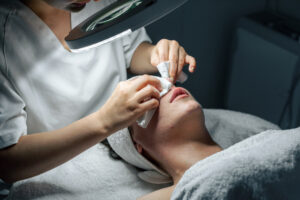
The preceding proper preparation of the skin will result in better extractions. What is essential is that you stretch the skin all around the white head to fully extract. For details on the correct procedure, including using a lancet or medi-point, please refer to the Master Class, Preventing Summer Acne video. Finish extractions by patting extraction areas with astringent.
Clear Complexion Mask
Apply a thin layer of the Clear Complexion Mask after extraction using a spatula. This anti-bacterial mask is based on sulfur that acts as a mild anticeptic while camphor helps relieve pain and itching on the skin as well as clarifies and helps remove excess oil.
High Frequency
Remove the mask thoroughly after six to seven minutes with moistened pads. Apply eye pads, then place gauze over the face, and hold the high frequency device with index finger, gently moving the wand over the gauze.
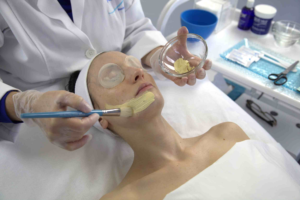
If you see that the client’s skin is red or irritated, apply the Sea Mud Perfecting Mask and let it sit for ten minutes. This creamy sea mud mask deep cleanses and helps absorb excess oil, reducing the appearance of shine. Three different clays help to absorb oils while Seaweed and Allantoin help to leave the skin feeling refreshed.
Remove thoroughly with moistened towels, and finish by applying Mineral Face Shield® Environmental Barrier cream to protect the skin from the environment with micronized Zinc Oxide after treatment. Be sure to recommend at-home products to maintain skin in between treatments. This can include the Hydra Medic® Starter Collection and the Hydra 4® Red-Out Collection.
For more information on this facial treatment, as well as the full step by step demonstration, see the Master Class, Preventing Summer Acne.
“Education is what will make you better, stronger and more successful,” says Sarfati. Membership for monthly educational courses at www.LydiaSarfati.com will translate into greater business development.